
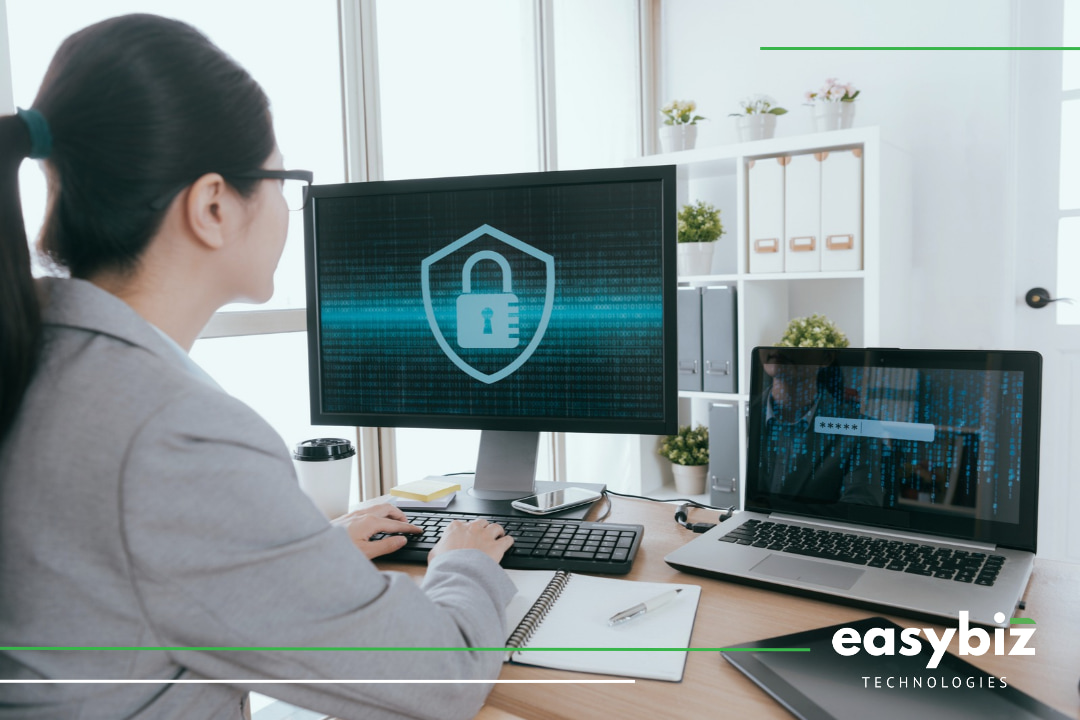
What would happen if your payroll data fell into the wrong hands tomorrow?
Employee banking details, salaries, tax records, ID numbers, and personal information are all stored in your payroll system. If this data were compromised, it could expose your business to fraud, compliance issues, financial losses, and even reputational damage.
Yet many businesses don’t think about payroll security until something goes wrong.
Understanding the most common payroll security risks is the first step towards protecting your business. In this blog, we explore five common payroll security threats, how to prevent them, and how a cloud-based payroll solution can help keep your payroll data secure.
Weak Passwords and Poor Access Controls
Sometimes the biggest security risks come from everyday habits.
Shared logins, weak passwords, and giving too many people access to payroll information can create unnecessary risk. If everyone has access, it’s much harder to know who viewed or changed sensitive information. Limiting access to authorised users, using strong, unique passwords, and enabling multi-factor authentication (MFA) can significantly reduce these risks and strengthen overall payroll security.
Phishing Attacks
Payroll teams are a popular target for cyber criminals.
A fake email from a manager, employee, or supplier, requesting payroll information can be convincing and are designed to catch people off guard. All it takes is one click on the wrong link to create a serious security problem. Regular cybersecurity awareness training can help employees recognise suspicious emails and avoid costly mistakes.
Shared Files and Spreadsheets
The more places payroll data is stored, the harder it is to control.
Many businesses still rely on spreadsheets, shared drives, and email attachments to manage payroll information. The challenge is that these files can be copied, forwarded, downloaded, or accessed by people who shouldn’t have them. Storing payroll data in a secure system with controlled access helps reduce this risk and protect sensitive information.
Human Error
Not every security incident is caused by hackers.
Simple mistakes, like sending a report to the wrong person, deleting a file, or updating the wrong employee record, can expose sensitive information. Automating manual tasks and following clear, consistent procedures can help reduce human error and strengthen your payroll data security.
Outdated Systems
Technology moves quickly, and so do cyber threats.
What protected your payroll data five years ago may not be enough today. Older outdated payroll systems can lack the security features businesses now need to stay protected. Without regular updates and security enhancements, vulnerabilities can be exposed, making it easier for cybercriminals to take advantage.
If your payroll software hasn’t changed much in years, it’s worth asking whether it’s still doing enough to keep your payroll data secure.
How Cloud Payroll Software Helps Protect Your Payroll Data
A cloud-based payroll solution can significantly reduce many of the risks associated with manual and outdated payroll processes by providing built-in security features designed to protect sensitive employee information.
Here are some of the key security features that help keep payroll data safe and secure:
Secure Cloud Hosting
Cloud payroll software securely stores payroll data in one centralised environment, reducing reliance on spreadsheets, shared drives, and email attachments. Data encryption helps protect sensitive information both while it is stored and when it is transferred.
Secure User Access Controls
Role-based permissions ensure users only have access to the information they need to perform their jobs. This reduces the risk of sensitive payroll data being viewed, shared, or changed by unauthorised users.
Multi-Factor Authentication
Multi-factor authentication (MFA) adds an extra layer of security when users log in, helping to protect payroll accounts even if passwords are compromised.
Audit Trails and Accountability
Built-in audit trails record user activity and changes made within the system. This improves accountability, supports compliance requirements, and provides greater visibility into payroll processes.
Automated Backups
Regular automated backups help safeguard critical payroll records and ensure information can be recovered quickly in the event of accidental data loss, system failure, or a cyber incident.
Centralised Payroll Management
Managing payroll within a single secure platform helps keep data organised, reduces reliance on disconnected files, and makes it easier to maintain control over sensitive employee information.
Conclusion
Payroll data is one of the most valuable and sensitive assets in your organisation.
Understanding common payroll security risks and taking steps to address them can go a long way towards protecting your business, your employees, and your reputation.
With secure cloud hosting, data encryption, role-based access controls, multi-factor authentication, automated backups, and ongoing security enhancements, Quick Payroll Cloud & HR can help strengthen your payroll security, maintain compliance, and protect sensitive employee information.
Ready to improve your payroll security? Book a demo today and discover how Quick Payroll can help protect your business and your payroll data.